

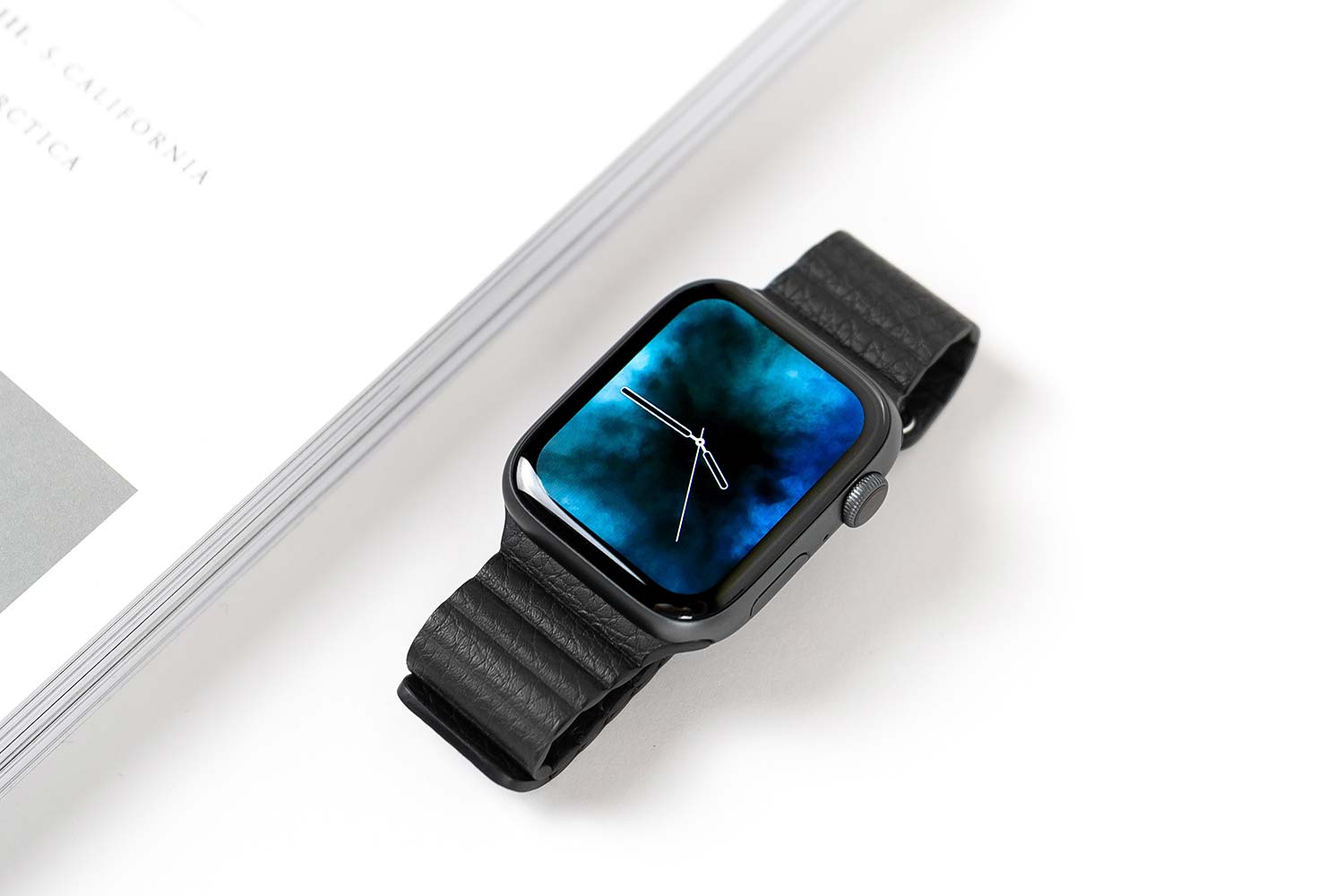
Fitness trackers and smartwatches have converged a lot in features, but real differences remain in battery life, price, and how much of a ‘second phone on your wrist’ you actually want.
Fitness Tracker or Smartwatch?
Dedicated fitness trackers typically offer significantly longer battery life since they aren’t running a full app ecosystem.
Smartwatches add notifications, apps, and sometimes payments, at the cost of needing more frequent charging.
- Fitness trackers: longer battery life, simpler focus
- Smartwatches: notifications, apps, and broader features
- Check compatibility with your phone’s operating system
- Look for accurate heart rate and sleep tracking reviews
Quick Buying Tips
- Check band compatibility and comfort for all-day wear
- Verify accuracy claims against independent reviews, not marketing
- Consider water resistance rating if you swim or shower with it on
Frequently Asked Questions
Are fitness trackers accurate for calorie counting?
They’re useful for trends over time but not perfectly precise, so treat numbers as estimates.
Do I need a smartwatch if I already have a fitness tracker?
Only if you want notifications, apps, or payment features beyond basic activity tracking.
Disclosure: This article may contain affiliate links. If you buy through our links, we may earn a small commission at no extra cost to you.